

We shipped Octeth v5.9.2 today. About a month of development, 176 commits, and a release with one clear theme: opening Octeth up — to AI assistants, to your own dashboards, and to more honest engagement data.
Last cycle was about visibility. This one is about access. Let me walk through what's new.
Connect AI Assistants to Your Account
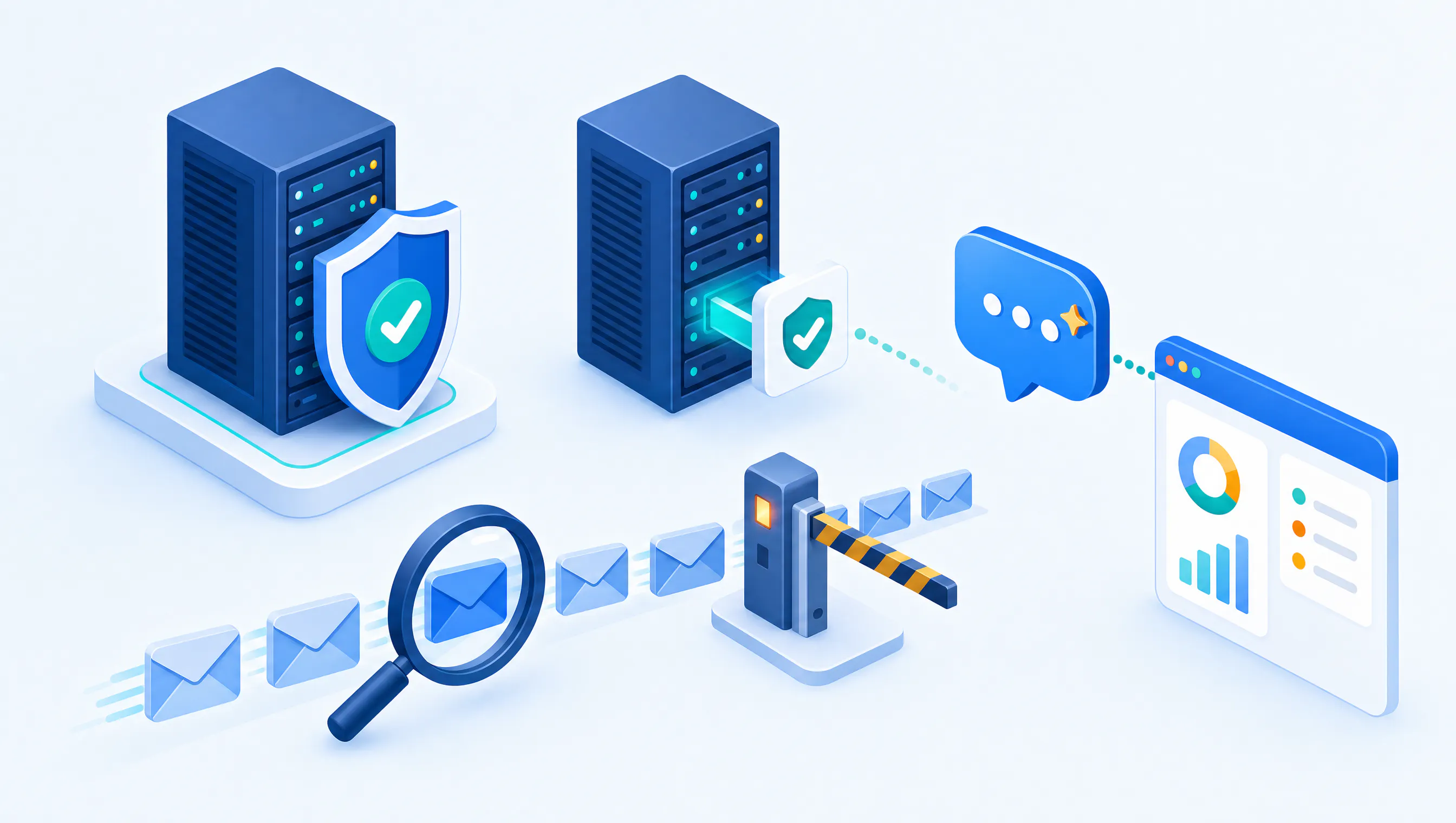
The headline feature of v5.9.2 is a new way to interact with Octeth entirely: a Model Context Protocol (MCP) server that lets AI assistants like Claude Desktop and Claude Code work directly with your account.
If you haven't come across MCP yet, the short version is that it's a standard way for AI assistants to safely use external tools. With the Octeth MCP server running, you can ask an assistant to pull a campaign report, look up a subscriber across your lists, check a segment's size, or draft and review an email — in plain language, without clicking through the interface.
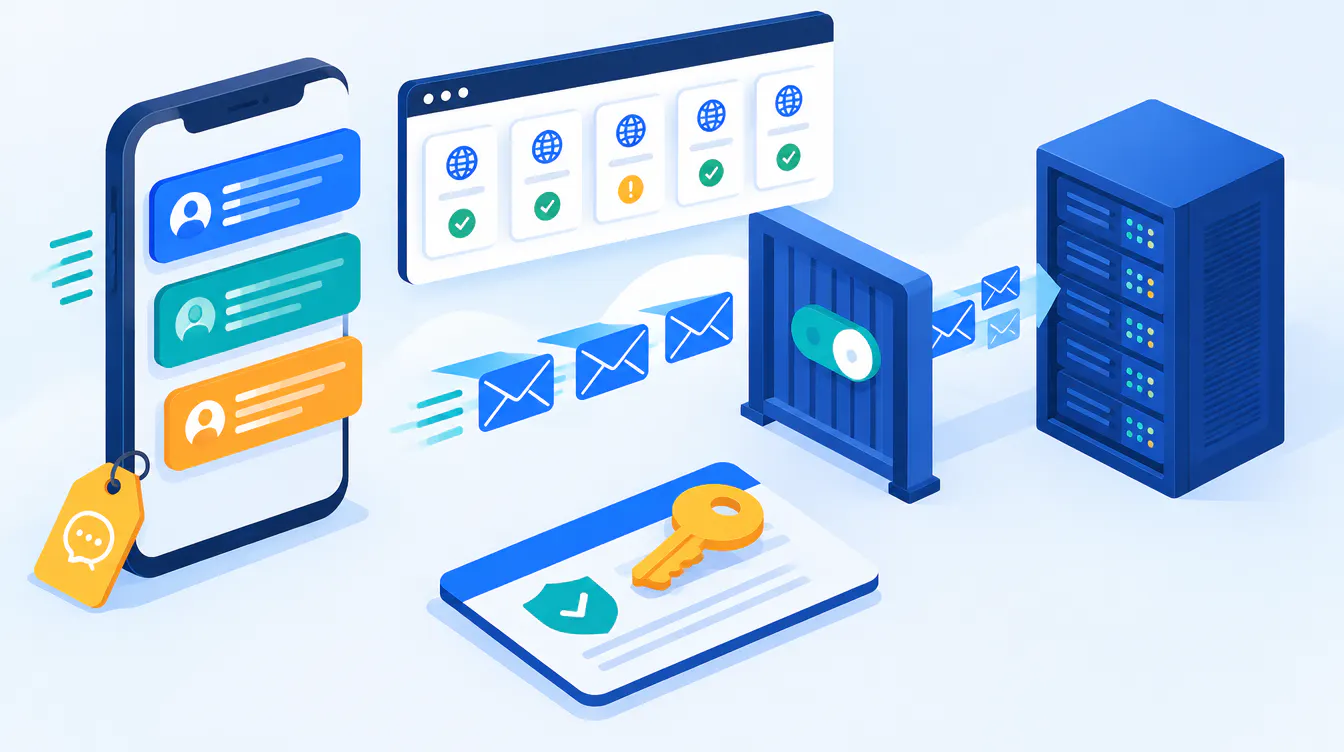
We were deliberate about the safety model here, because handing an AI assistant the keys to a sending platform deserves care:
- It uses a per-user API key, never an admin key. An assistant only sees what that one user is allowed to see.
- You can run it in read-only mode, so it can look but never change anything.
- Any irreversible action — like actually sending — is gated behind an explicit confirmation step. The assistant has to ask, and you have to approve.
- It supports switching between multiple accounts in a single session, which matters if you manage email for several clients.
Setup instructions are built right into the API Keys page in your account, so getting an assistant connected takes a couple of minutes.
This is the beginning of a direction we're excited about. The interface will always be there, but for a lot of day-to-day questions — "how did last week's campaign do?", "how many subscribers match this segment?" — asking is faster than clicking.
Campaign Reporting APIs
If you build reports for clients, this release gives you a proper foundation to build on.
We've added a set of campaign reporting endpoints: link-click reporting, recipient activity (with email search and list names included), and A/B test results, all with a configurable statistics time window. Together they cover the questions that come up most often when you're explaining a campaign's performance to a client. The point of exposing this as a clean API is ownership. You can build your own branded, client-facing reporting dashboard on top of Octeth — presented however you like, on infrastructure you own outright, without a per-client platform fee attached to it. The data is yours, and now it's straightforward to get at.
Engagement Data You Can Actually Trust
Open rates have quietly become unreliable across the whole industry. Apple's Mail Privacy Protection and Gmail's image proxy pre-fetch images automatically, which registers as an "open" that no human ever performed. Bots that scan links do the same thing to click data.
In v5.9.2, Octeth now identifies automated activity — opens and clicks generated by bots and mailbox privacy proxies — and flags it distinctly from genuine human engagement. More importantly, you can opt to exclude it from your reports and segments.
That has two real consequences. Your open and click rates start reflecting actual people again, which makes the numbers you show clients defensible. And your behavioral segments get cleaner: a "clicked in the last 30 days" segment stops quietly filling up with bot activity. We've made the controls consistent across both the Opens and Clicks segment rules, so the behavior is predictable wherever you use it.
Faster Email Search on Large Lists
If you've ever searched for part of an email address on a list with hundreds of thousands — or millions — of subscribers, you know it could be slow. That kind of "contains" search previously had to scan the entire table.
In this release, email address search uses a full-text index instead, which makes those lookups dramatically faster on large lists. We built it to roll out safely: while the index is still being prepared on a given list, search automatically falls back to the old method, so nothing ever breaks in the meantime. You just get quicker results as the improvement takes effect.
More APIs and Journey Power
A few other additions worth calling out:
- A single Lists Overview endpoint that returns your lists together with their custom fields and segments in one call, including per-list subscriber tags — handy when you're building an integration and don't want to make a dozen round trips.
- Admin subscriber search by email address across every list at once.
- A new journey trigger that starts a journey automatically when a subscriber finishes a different journey — useful for chaining automations together.
- Date-based auto-responders on global custom date fields, so anniversary and renewal-style automations have more to work with.
- New personalization helpers for hashing, number formatting, word-wrap, and line breaks in your email content.
Reliability, Performance, and Hardening
Underneath the features, this release does a lot of quiet work to keep large installations healthy.
Operations — new monitoring for long-running database queries and delivery-queue health, with optional alerting, plus expanded metrics for teams that run their own monitoring stack.
Stability under load — the long-running background workers that handle delivery, imports, exports, and journeys now manage memory more gracefully, so they stay healthy over long periods of heavy sending. Subscriber tables on large lists are also maintained proactively in the background, which keeps custom-field changes fast instead of occasionally blocking.
Performance — delivery-path settings are now cached to reduce database load while sending, and personalization processing is faster across the board.
Security — we strengthened account data isolation across several operations, tightened input validation across search and webhook features, added rate limiting and suppression checks to preview and test sends, and refreshed third-party dependencies to pull in the latest fixes. One infrastructure note for existing operators: Email Gateway event storage has moved to a more efficient backend, and the previous search engine component is no longer required. It's a leaner footprint going forward.
v5.9.2 is a release about openness. The MCP server changes how you can interact with the platform, the reporting APIs let you build client experiences on top of it, and the engagement-data work makes the numbers underneath all of it more honest. Each of those is a foundation we'll keep building on.
If you're an existing Octeth client, log in to the Octeth Client Area to download v5.9.2.
If you're evaluating Octeth or want to see what it can do for your organization, fill in our contact form and we'll be in touch.
Octeth is a self-hosted email marketing platform built for businesses and agencies that need full control over their email infrastructure. Learn more at octeth.com.